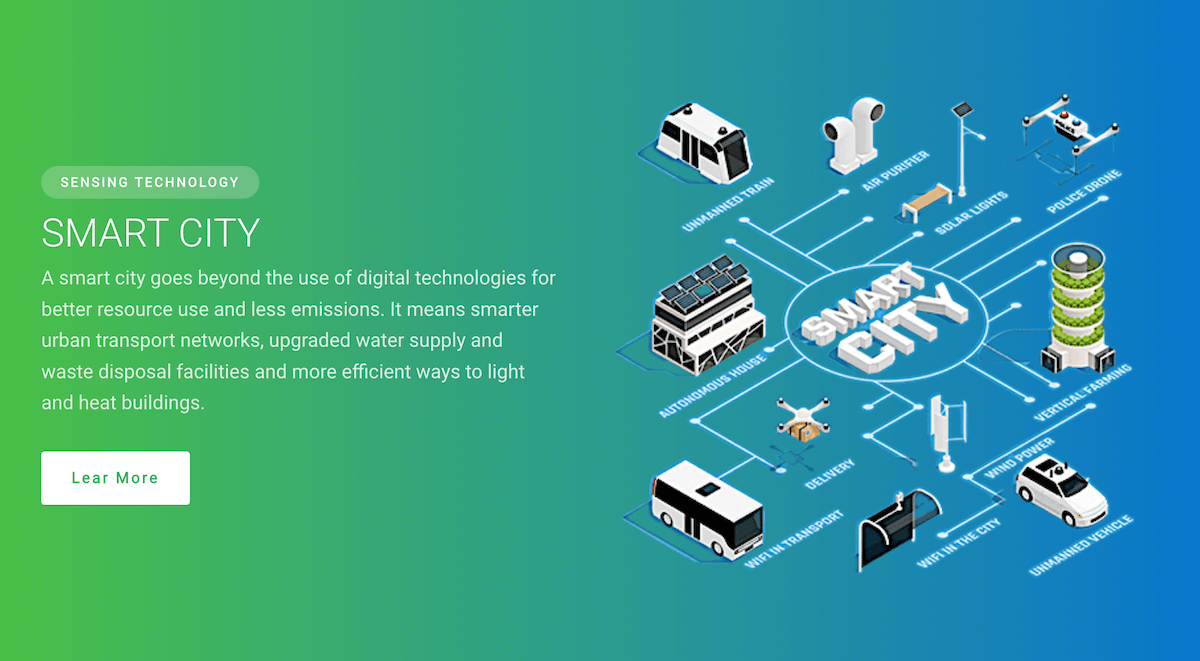
The growth of cities has brought new challenges regarding mobility, safety, energy, and quality of life. To address these issues, governments and companies are investing in technologies capable of making urban spaces smarter and more connected. So-called smart cities use data, sensors, and digital systems to improve public services and create more efficient environments for the population.
A key element of this model is real-time information gathering. Sensors installed in streets, buildings, and public infrastructure can monitor traffic, energy consumption, air quality, and various other important factors. With this data, administrators can make faster decisions and develop solutions tailored to residents’ needs.
Urban mobility is one of the areas that benefits most from technology. Intelligent transport systems help control vehicle flow, optimize traffic lights, and provide up-to-date information to passengers. Furthermore, apps and digital platforms facilitate route planning, making commutes more efficient and reducing environmental impacts.
Advances in connectivity have also created a vast digital ecosystem offering diverse services and experiences. Beyond tools focused on communication, education, and entertainment, there are specific platforms—such as 20Bet—that exemplify the variety of solutions available online and demonstrate how technology has expanded the possibilities for interaction.
Sustainability is another central aspect of smart cities. Automated systems can adjust public lighting based on need, reduce water waste, and improve waste management. These initiatives foster a more conscious use of natural resources and help build urban environments that are better prepared for the future.
In the realm of safety, technologies such as smart cameras, data analytics, and real-time monitoring systems assist in preventing issues and ensuring faster responses to incidents. When used responsibly, these tools can enhance citizen protection and make public spaces safer. Despite the benefits, implementing smart cities requires planning and attention to issues such as privacy and data protection. The use of information collected by sensors must adhere to clear rules to ensure transparency and trust among governments, companies, and residents.
With the evolution of artificial intelligence, the Internet of Things, and high-speed networks, the cities of the future are poised to become increasingly connected. Technology will be a key ally in creating more sustainable, organized, and efficient urban environments, transforming the way people live and interact with the spaces around them.